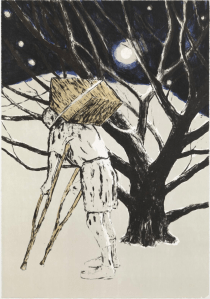
From the work of Francis Weller, in his books The Wild Edge of Sorrow and Entering the Healing Ground – Grief, Ritual, and the Soul of the World.
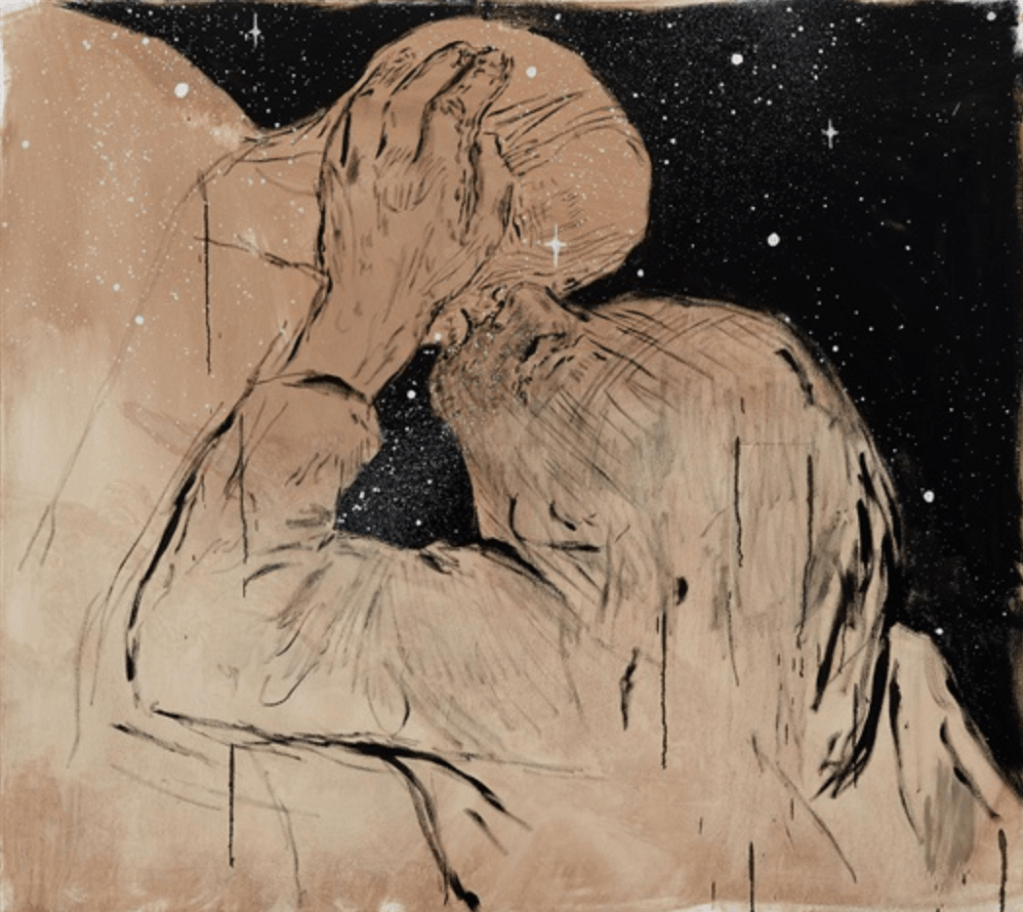
First Gate: Everything we love we will lose
● Losing someone or something we love
● Loss of those who depart this Earth before us; our parents, spouse, children, friends
● Loss of home, beloved animals, places you have loved
● Loss from illness or injury; treasured skills and capacities
● Loss of a life dream
Second Gate: The places that have not known love
● Places in ourselves never touched by love; parts of us we had to cleave off to receive a provisional welcome or acceptance
● Places within us banished and wrapped in shame
● What we judge in ourselves and hold in contempt (which we deny the healing salve of community)
● Places within ourselves that live outside of compassion, warmth, and welcome
● Outcast portions of our soul appearing as addictions, depression, anxiety and other symptoms calling for our attention.
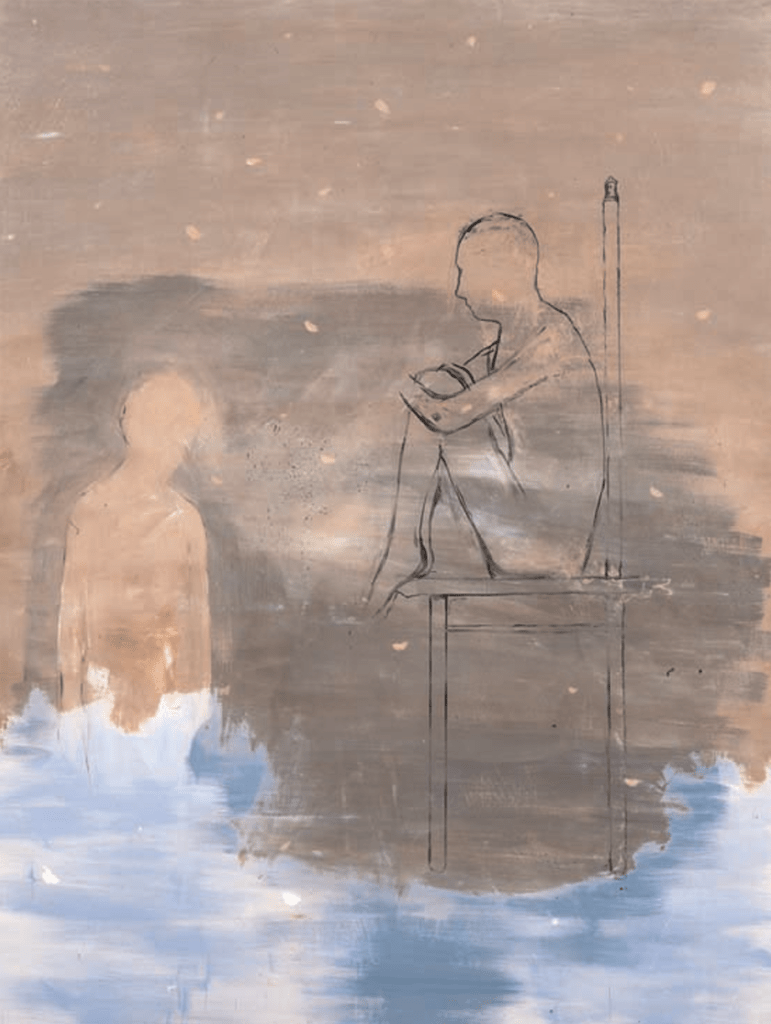
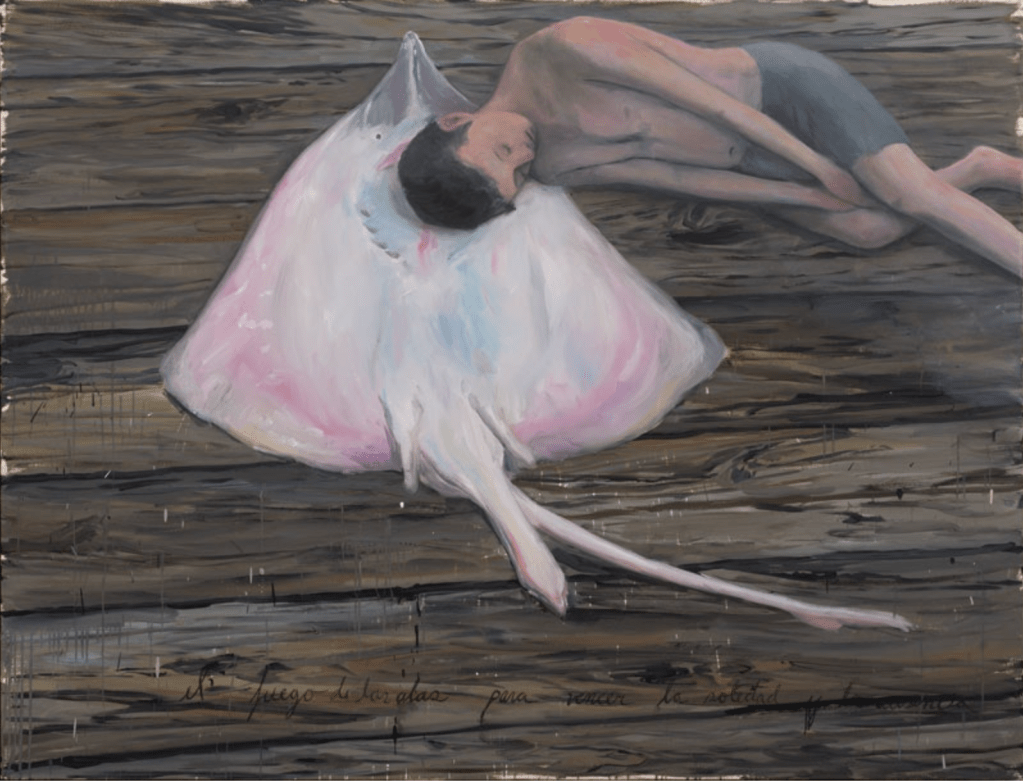
Third Gate: The sorrows of the world
● The losses of the world around us
● Daily diminishment of species, habitats, indigenous languages, and cultures noted in our psyches
● Sadness for the Earth
● Where we experience the soul of the world
● The legacy of human and white-supremacy
Fourth Gate: What we expected and did not receive
Things we may never realize we have lost because we weren’t born into villages with a full joyous welcome of our gifts. The expectations that have been coded into our psyches over the past 200,000 years in our evolution as a species. And so we carry:
● Unconscious disappointment
● Feelings of emptiness, loneliness, and aloneness
● Diminished experience of who we truly are
At the core of this grief is our longing to belong and longing to be longed for.
Fifth Gate: Ancestral grief
Unacknowledged and untended sorrows of those who came before us, born of:
● Lost connection to land, language, imagination, rituals, songs, stories of our ancestors
● Sense of homelessness, orphaned between old and new worlds
● Collective soul grief of abuses and oppression of millions (in our country of the United States, all BIPOC people)
In sitting in grief circles with other elders, such as Linda Thai, Laurence Cole, and Kedar Brown, two more categories of losses have arisen that seem deserving of their own gates:
Sixth Gate: Grief for harm done
● Harm we have caused to ourselves and others
● Collective harms we’re complicit in, such as racism, patriarchy, ecocide, and inequity
● Moral injury
● Bystanding (not intervening when we can)
● May include choices we’ve had to make to assure our own survival
First articulated by Rachel Rice
Seventh Gate: The gate of trauma
Grief work is a necessary component of trauma recovery and healing. With traumatic events, we find:
● Loss of trust in oneself and others
● Loss of a sense of safety
● Loss of identity
● Loss of innocence
● Loss of emotional regulation / a sense of agency in our body
● Loss of a sense of competence
● Loss of bodily/sensual pleasure and comfort
● “What happened that shouldn’t have happened and what should have happened that didn’t happen” (Linda Thai).
While trauma can likely find a home in any of the gates above, naming it separately often helps people identify deeper layers of grief.
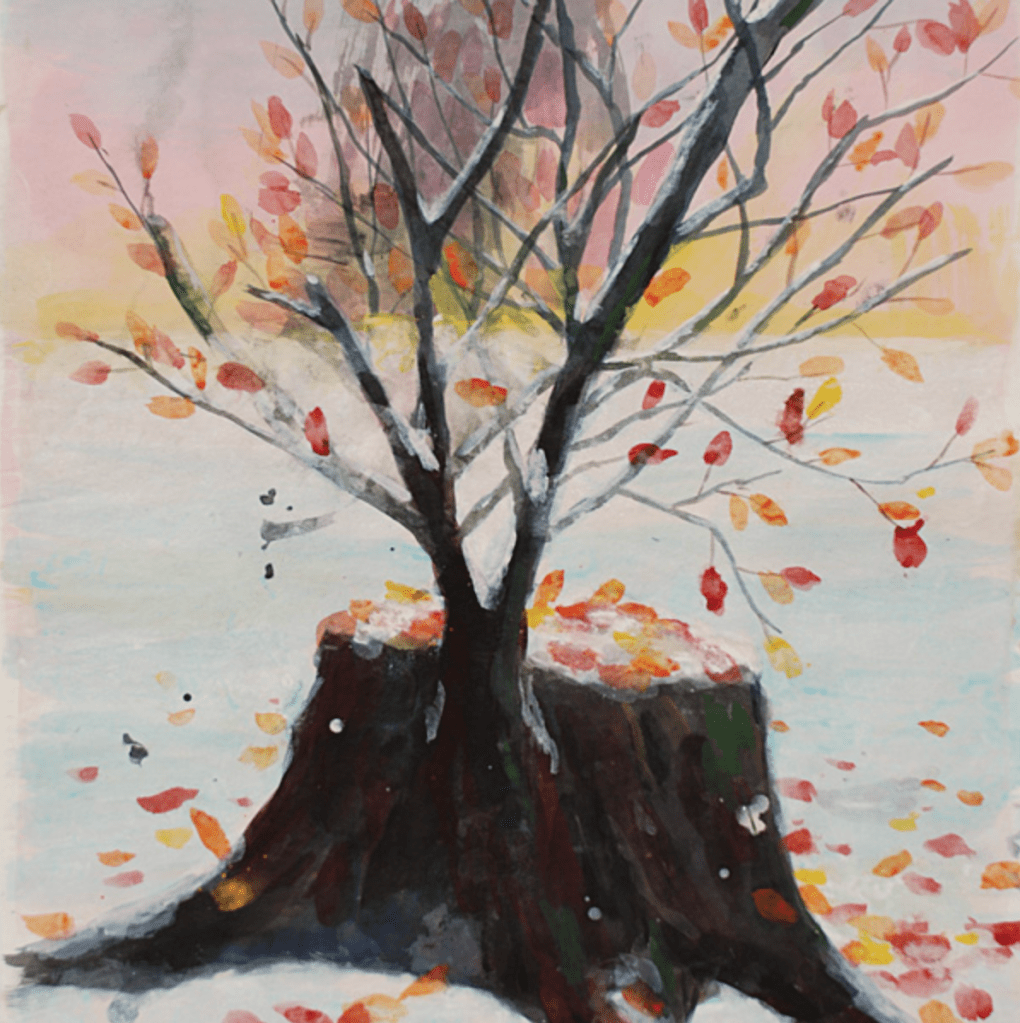
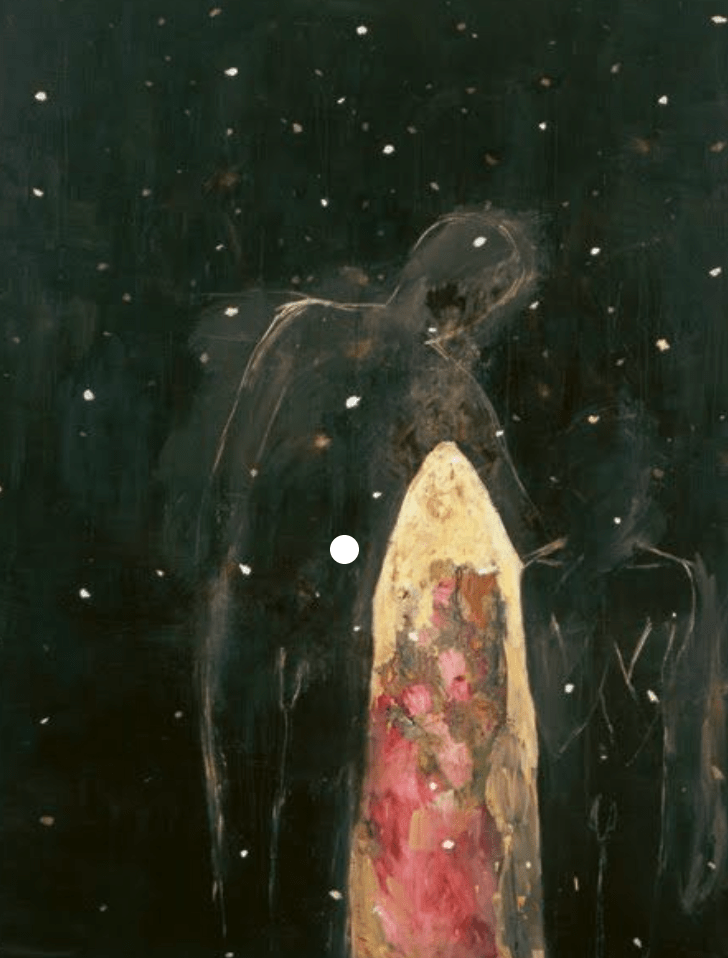
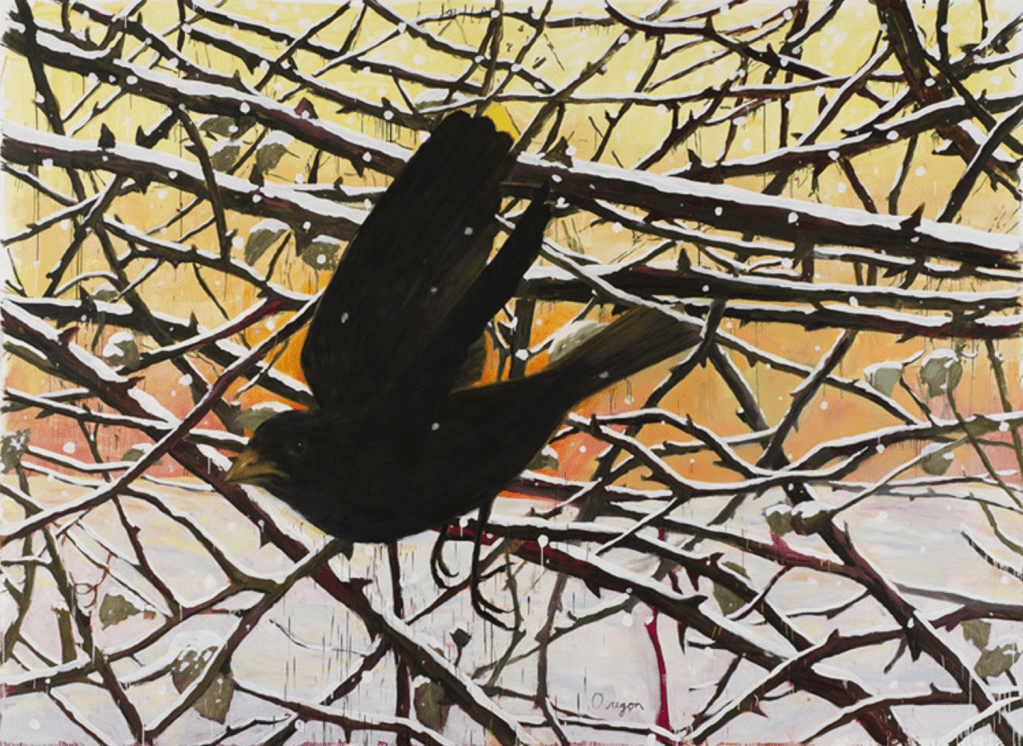
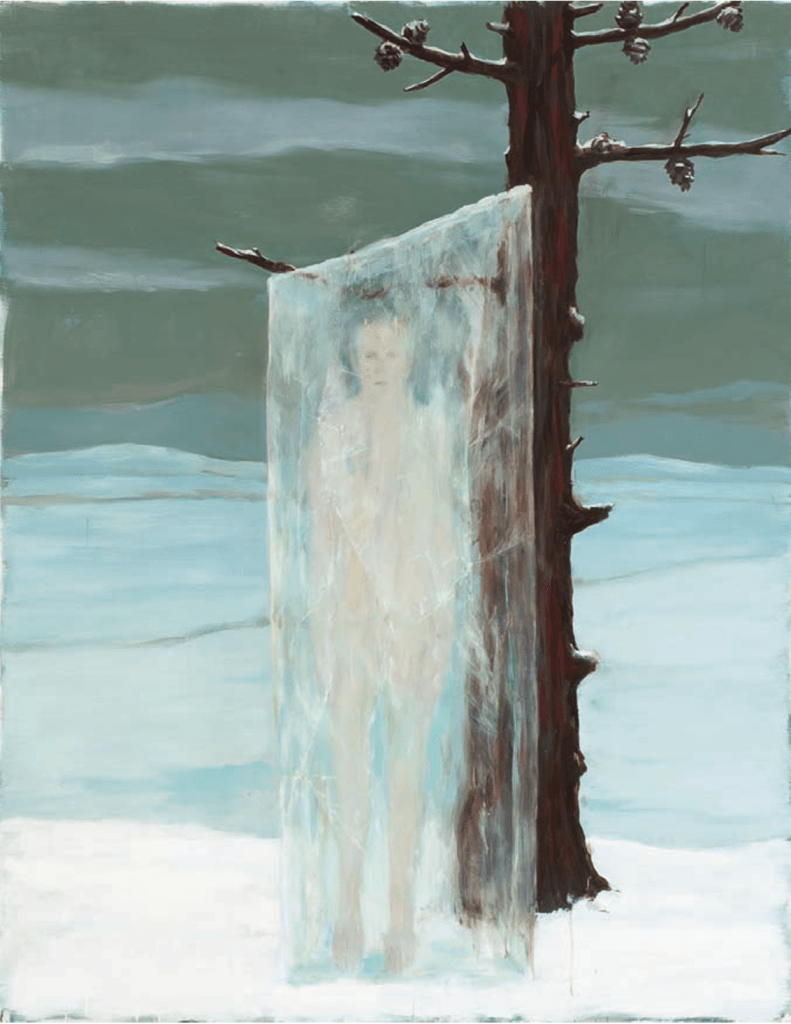
All of the artworks above are by Enrique Martinez-Celaya
 Samantha DiRosa